Supporting Moroccan Artisans: Complete Guide, Benefits, Styles & Savvy Buying Tips
Moroccan handicrafts capture the imagination with their vibrant colours, intricate detailing, and centuries old traditions. For those interested in global culture and ethical shopping, supporting Moroccan artisans is more than a trend. It is about honouring heritage and driving sustainable change. This complete guide explores the benefits, different styles, practical promotion advice, and buying tips, including where to find artisan products from airport retail to online boutiques.
Why Support Moroccan Artisans?
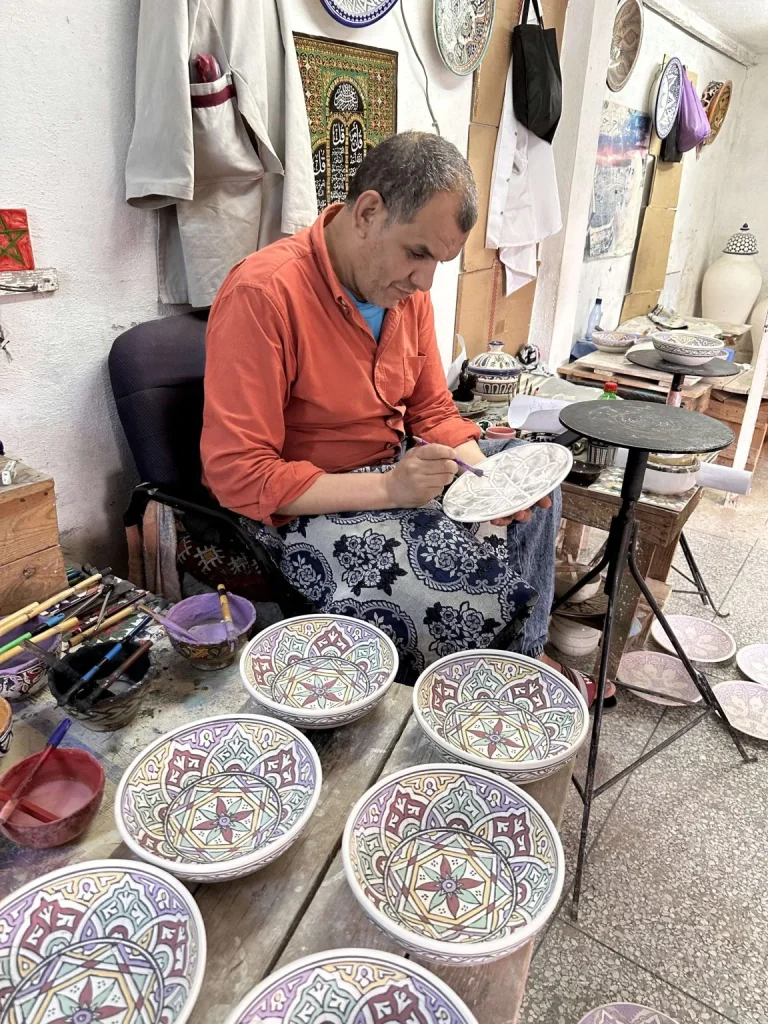
Morocco is renowned for its skilled craftspeople who use time honoured techniques, often passed down through generations. Backing these artisans helps to preserve cultural heritage, boost local economies, encourage sustainable practices, and promote fair trade.
Preserve Cultural Heritage: Each purchase helps sustain traditional skills, from handwoven rugs to intricately engraved brassware.
Boost Local Economies: Money goes directly to makers and their communities rather than mass producers or middlemen.
Encourage Sustainable Practices: Many crafts rely on locally sourced natural materials, fostering eco friendly production.
Promote Fair Trade: Supporting independent Moroccan makers often means better business practices and fair wages.
Whether you are seeking decorative homeware or distinctive fashion items, buying authentic crafts contributes to the vibrancy and survival of Morocco’s artisan sector.
Exploring Styles: From Berber Rugs to Brass Lanterns
Morocco boasts extraordinary diversity in its artisan output, shaped by Berber, Arab, and Andalusian influences. Some of the most sought after styles include:
Berber Rugs: Hand knotted in the Atlas Mountains, these rugs combine geometric motifs with plush textures and are available in earthy tones or bold saturated dyes.
Zellige Tiles: Iconic hand cut mosaic tiles add vivid patterning to walls and floors, reflecting centuries of Islamic artistic tradition.
Tadelakt Pottery: Smooth waterproof ceramics made from local clay and lime, often used in bathroom decor.
Leatherwork: Fes is famed for supple bags, slippers, and pouffes crafted using traditional tanning techniques.
Brass and Copper Lanterns: Finely perforated lamps create dramatic shadow displays that are emblematic of Marrakech souks.
When comparing styles, consider how a piece will integrate with your decor and whether you favour bold statement pieces or subtle accents.
Responsible Buying: Tips for Authentic Moroccan Craftsmanship
If you are committed to the genuine promotion of Moroccan craftsmanship, it is important to buy smartly. Here is how:
Research Authentic Sellers: Seek brands with transparent supply chains and clear artisan partnerships, whether online, in UK boutiques, or through Moroccan cooperatives.
Look for Certification: Some products feature fair trade credentials or are part of UNESCO supported initiatives.
Ask About Materials and Methods: True Moroccan craftsmanship relies on traditional tools and natural dyes. Do not hesitate to ask sellers about a product’s origins.
Mind the Price: Ultra cheap souvenirs are unlikely to be handmade. Fair pricing generally reflects artisans’ labour and skill.
Finding Artisan Products: Airport Retail and Beyond
While bustling Moroccan souks remain the traditional heart of craft selling, artisan pieces are increasingly available worldwide. Travellers in particular are discovering Moroccan crafts in airport retail outlets, which can offer convenience, curated selections, and reassurance.
Convenience: Ideal for last minute gifts or souvenirs before your flight.
Curated Selections: Many airport shops feature handpicked quality products that highlight regional talent.
Assurance: Reputable airport stores reduce the risk of fakes or substandard mass produced items.
In the UK, look for specialist homeware stores, pop up markets, and online platforms dedicated to Moroccan craftsmanship promotion. These increasingly stock goods ranging from ceramics to jewellery, bringing Moroccan style into British homes.
Ethical Promotion and Cultural Respect
It is not just about buying. How you promote and use Moroccan artisan goods matters too. Share your knowledge with friends or online communities, emphasising the story behind each handmade product. When decorating your home, accompany items with context about their origins and techniques. Responsible promotion helps prevent cultural appropriation and supports artisans in gaining the international recognition they deserve.
Conclusion
Supporting Moroccan artisans is an enriching experience that goes well beyond decoration. By following this complete guide, understanding the benefits, exploring styles, and applying smart buying tips, you play a part in safeguarding heritage and empowering makers. Whether you are browsing Moroccan craftsmanship in airport retail or UK boutiques, each thoughtful purchase has a tangible impact. Celebrate culture, ensure authenticity, and enjoy the lasting beauty of handcrafted Moroccan designs.